Does Health Insurance Cover Motorcycle Accident Injuries in California?
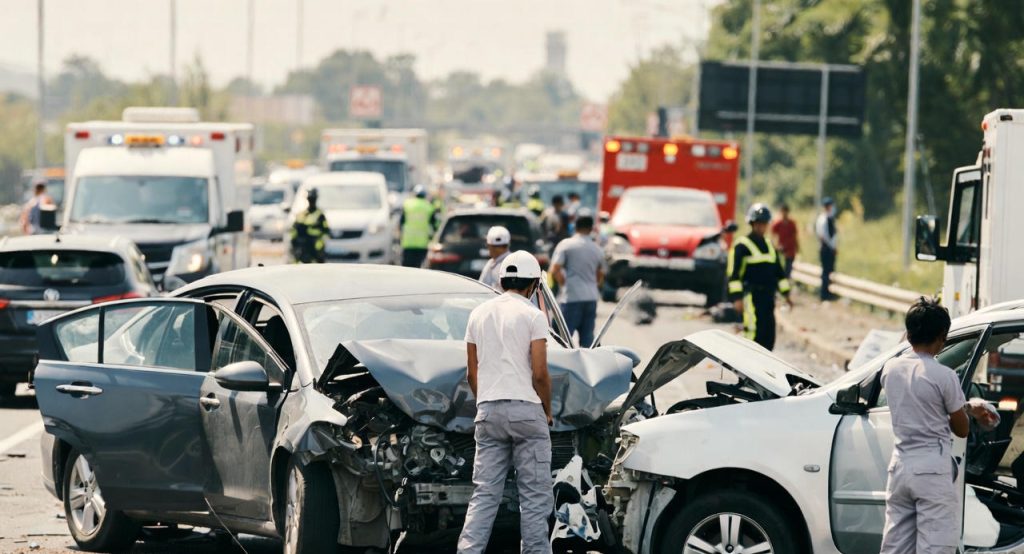
You’re lying on the asphalt. Sirens wail in the distance. As the adrenaline fades, one terrifying thought cuts through the chaos: How will I pay for this? Whether you ride daily through Los Angeles traffic or cruise Highway 1 on weekends, a motorcycle crash can shatter your finances before you even reach the emergency room. This guide delivers the urgent answers injured riders need about using health insurance after a collision, navigating California’s complex lien laws, and preserving your recovery when insurers come calling for reimbursement.
How Health Insurance Works for Motorcycle Crash Injuries in California
Yes—your health insurance generally covers motorcycle accident injuries in California regardless of who caused the crash. This surprises many riders who worry that fault determination blocks their coverage. In reality, health insurance serves as the primary payer for your medical treatment, while questions of liability only affect later reimbursement rights. You can swipe your insurance card at the ER immediately after a collision without waiting for police reports or fault determinations.
California follows a “pay first, ask questions later” approach regarding subrogation. Your insurer processes claims based on your policy terms, not the circumstances of the accident. This means emergency treatment gets covered even while investigators still debate who ran the red light. However, buried in most policies is a subrogation clause allowing your carrier to seek repayment from any settlement you eventually receive from the at-fault driver.
Coverage applies whether you caused the crash or a distracted driver cut you off. Insurers cannot retroactively deny medically necessary treatment solely because you were lane-splitting (where legal) or otherwise contributed to the accident. Your policy’s duty to indemnify operates independently of tort liability—though your premiums may eventually reflect claim history, the immediate treatment coverage stands. The key distinction: health insurance covers the care, not the consequences. It won’t replace your totaled bike or cover your lost wages while you heal, but it will pay the hospital bills preventing you from recovering physically.
Emergency Care Access and Out-of-Network Billing Protections
Federal and California laws create ironclad protections for emergency care that specifically benefit motorcycle crash victims. Under 45 CFR §147.138, health insurers cannot require prior authorization for emergency services, meaning adjusters cannot second-guess your midnight decision to visit the ER after a high-side crash. Additionally, federal rules prohibit higher copays or coinsurance for out-of-network emergency services than you would pay for in-network care.
These protections matter intensely for riders transported to non-network trauma centers after rural crashes or airlifted to specialized facilities. The California Department of Managed Health Care mandates that plans cover emergency treatment even at hospitals outside your network, ensuring geographic distance from preferred providers never compromises your survival odds. This framework prevents the nightmare scenario where you wake up stabilized but facing bankruptcy because the nearest Level I trauma center wasn’t “in-network.”
Federal No Surprises Act Protections for Crash Victims
The No Surprises Act shields insured patients from surprise bills for emergency services and certain out-of-network facility care. Following a motorcycle accident, this federal law prevents balance billing beyond your in-network cost-sharing levels, including for air ambulance transports frequently required after serious collisions. Your out-of-pocket maximum stays consistent whether the helicopter belongs to your network or not.
California’s Prudent Layperson Standard for Emergency Determinations
California’s DMHC applies the “prudent layperson” standard, defining emergencies based on whether a reasonable person with average medical knowledge would believe symptoms require immediate care. This prevents insurers from retroactively denying claims because the final diagnosis turned out less severe than initially feared. If your broken ribs and road rash reasonably appeared life-threatening when you called 911, the claim stays covered even if diagnostics later reveal only bruising.
Coverage Gaps and Out-of-Pocket Costs After a Motorcycle Accident
Understanding what health insurance excludes proves as crucial as knowing what it includes. While your carrier pays the contracted rate for covered services, you remain responsible for deductibles, copays, and coinsurance amounts that can accumulate rapidly during trauma care. A single ambulance ride and ER visit might exhaust your annual deductible, leaving you responsible for thousands before coinsurance even begins calculating your percentage of remaining bills.
Health insurance explicitly excludes non-medical damages central to your recovery. Lost wages during rehabilitation, motorcycle repair costs, and pain-and-suffering compensation fall outside policy benefits. These economic and non-economic damages require recovery through the at-fault party’s liability insurance or your own uninsured motorist coverage. Additionally, certain excluded services—cosmetic procedures, experimental treatments, or custodial care—may create coverage gaps despite being medically desirable.
High-deductible health plans particularly expose riders to financial shock. If you carry a $7,000 deductible and face $50,000 in surgery and hospitalization costs, you must satisfy that $7,000 out-of-pocket before insurance pays its share. This reality drives many California riders to supplement health insurance with Medical Payments (MedPay) coverage on their motorcycle policies to bridge these gaps.
Coordinating Health Insurance With Motorcycle Insurance Coverage
Your health insurance and motorcycle policy interact in specific ways that affect your net recovery. Health insurance typically pays first for immediate treatment, but Medical Payments coverage on your motorcycle policy can cover deductibles and copays that health insurance demands. This coordination prevents your savings from evaporating while waiting for personal injury settlements. Law firms like Cohen & Marzban Law Corporation help identify all available coverage layers, from MedPay to UIM, to ensure you aren’t paying out-of-pocket for someone else’s mistake.
Uninsured/Underinsured Motorist (UM/UIM) coverage provides critical protection when the at-fault driver lacks sufficient insurance. Under California Insurance Code §11580.2, motorcycle policies must include UM/UIM coverage unless you reject it in writing using a statutory form. This “opt-out” rather than “opt-in” framework means many riders possess this coverage unknowingly. Importantly, the law confirms motorcycles are not excluded from UM/UIM definitions when financial responsibility requirements go unmet by the at-fault party.
Recent changes to California’s liability landscape matter here. Effective January 2025, minimum liability coverage increased to 30/60/15 ($30,000 per person/$60,000 per accident/$15,000 property damage), as noted by the California Department of Insurance. These higher minimums potentially increase recovery pools when health insurers seek reimbursement, though serious injuries still routinely exhaust these limits.
Medical Payments Coverage on Motorcycle Policies
MedPay serves as optional coverage on motorcycle policies that pays medical bills regardless of fault. Unlike health insurance, MedPay carries no deductibles or copays, functioning as a secondary payer that can cover your health plan’s cost-sharing requirements. When bills arrive, MedPay coordinates with primary health insurance to fill financial gaps, paying until limits exhaust—commonly $1,000 to $25,000 depending on your selected coverage level.
Uninsured Motorist Coverage and California’s Written Rejection Requirements
Insurance Code §11580.2 mandates that UM/UIM coverage accompany your motorcycle policy unless you execute a written rejection using the statutory form. This protection applies when the at-fault driver carries no insurance or insufficient limits to cover your injuries. The statute explicitly preserves UM/UIM rights for motorcyclists, preventing insurers from excluding bikes from the definition of “uninsured motor vehicles” when financial responsibility laws are violated by the other party.
Subrogation, Liens, and Health Plan Reimbursement Rights
Subrogation represents your health plan’s legal right to step into your shoes and recover medical expenses paid on your behalf from any settlement you obtain from the at-fault driver. When you recover $100,000 from a negligent driver’s insurance, your health carrier may present a lien or reimbursement claim for the $50,000 they paid in medical bills. This right originates from policy language and statutory provisions allowing plans to recoup costs from tortfeasors.
However, California Civil Code §3040 imposes strict caps on these recovery rights. When you retain an attorney, your health plan’s recovery is capped at one-third of your total settlement amount (or one-half if you do not have an attorney). Furthermore, the insurer can never take more than the actual cost of the medical services provided. Additionally, the statute mandates reduction of the lien by the proportion of attorney fees and costs you incur. These “carve-outs” significantly reduce the effective amount owed.
Critically, the plan cannot take more than these statutory limits permit. If your settlement is compromised by comparative fault or policy limits, §3040 protects a portion of your recovery from medical liens. However, these protections apply only to private health plan liens—government payers and hospital liens follow different rules, creating a complex hierarchy of obligations that demands careful navigation during settlement distribution.
Government Payers and Hospital Liens in Motorcycle Injury Cases
Not all medical liens respect the caps of Civil Code §3040. Medi-Cal and Medicare liens operate independently of these statutory limits, giving government payers “super lien” status that can swallow larger settlement portions than private insurers. This distinction proves vital when organizing settlement funds, as ignoring government reimbursement rights invites federal and state enforcement actions.
Medi-Cal requires specific notification within 30 days of filing a personal injury claim, including injury dates, beneficiary identification numbers, and liable party information. Medicare Secondary Payer (MSP) obligations similarly require reimbursement when settlements occur, with CMS maintaining rights to recover conditional payments made when liability insurance should have covered the treatment.
Hospital liens present another layer of complexity. Under California Civil Code §§3045.1–3045.2, licensed hospitals possess statutory liens on damages recovered for reasonable and necessary charges related to your injuries. These liens attach to judgments, settlements, or compromises independently of health insurance subrogation rules, meaning hospitals can claim portions of your recovery even after health insurance pays.
Medi-Cal Third-Party Liability Notification Requirements
Within 30 days of filing a personal injury action, Medi-Cal beneficiaries must notify the Department of Health Care Services of five specific data points: the injury date, Medi-Cal ID number, liable party and insurer contact information, claims administrator details, and defense counsel contact. Defective or delayed notice can complicate settlement distribution, freezing funds while DHCS determines its reimbursement entitlement.
Hospital Lien Rights Under California Law
California grants licensed hospitals statutory lien rights against damages recovered for accident-related injuries. Under §3045.1, these liens secure payment for reasonable and necessary charges for emergency and ongoing medical care provided by the hospital. Unlike health insurance subrogation, hospital liens require no contractual relationship with the patient and attach automatically to settlements or judgments, creating immediate encumbrances on your recovery funds.
Critical California Deadlines for Claims, Filings, and Legal Actions
California’s administrative and legal deadlines create hard stops that can extinguish rights entirely if missed. First, California DMV requires SR-1 reporting within 10 days of any accident causing injury or property damage exceeding $1,000. Failure to file this Report of Traffic Accident can result in license suspension, complicating your ability to settle claims or continue riding legally.
For personal injury lawsuits, Code of Civil Procedure §335.1 establishes a two-year statute of limitations from the accident date. However, if a public entity such as a city bus or government vehicle caused the crash, Government Code §911.2 demands presentation of claims within six months—failure to meet this administrative presentment deadline typically bars future lawsuits entirely.
Uninsured riders face additional devastating consequences under Civil Code §3333.4, the “no pay, no play” law. If you operated the motorcycle without insurance or financial responsibility, this statute bars recovery of non-economic damages—including pain and suffering, disfigurement, and loss of consortium—regardless of the other driver’s fault. While economic damages like medical bills remain recoverable, the exclusion of human damages often destroys case value, making insurance compliance essential before hitting the road.
Your Action Plan: Managing Medical Bills and Insurance Disputes
Immediate, organized action protects both your health and your wallet following a motorcycle crash. First, notify your health plan of potential third-party liability immediately upon receiving emergency care, simultaneously requesting itemized bills and Explanations of Benefits (EOBs) to verify accuracy. Many hospitals inflate charges, and auditing these documents against your policy’s contracted rates can reveal overbilling errors.
If your health plan denies coverage, leverage California’s 30-day grievance process through the Department of Managed Health Care. Submit written appeals within the plan’s specified timeframe, explicitly citing the prudent layperson standard for emergency care. For disputes involving medical necessity or experimental treatment denials, request an Independent Medical Review (IMR)—a process where external physicians review decisions independently of your insurer. Missing grievance deadlines can permanently forfeit coverage rights, making calendar management critical.
Document every expense meticulously to support lien reduction arguments under Civil Code §3040. Maintain records of attorney fees, litigation costs, comparative fault allocations, and policy limit constraints. When settlement approaches, calculate the statutory cap reductions before disbursing funds—paying liens in full when the law permits reduction represents unnecessary financial hemorrhaging. For complex cases involving multiple lienholders (health plan, hospital, Medi-Cal, Medicare), consider professional lien negotiation services to maximize your net recovery while satisfying legal obligations.
Key Takeaways: Your health insurance covers motorcycle crash injuries immediately, regardless of fault, but will likely seek reimbursement from any settlement. Federal No Surprises Act and California DMHC rules protect you from emergency billing shocks, while Civil Code §3040 caps private insurer recovery rights when you hire an attorney. Watch out for government payer and hospital liens that ignore these caps, and never miss California’s six-month public entity presentment deadline or 10-day SR-1 filing requirement.
If you’re staring at mounting medical bills while fighting insurance companies, you don’t have to navigate this alone. Understanding these rules ensures you keep more of your settlement while getting the care you need to ride again.