

Low-Light Champions: Plants That Actually Thrive in Your Dim Office or Apartment
Picture this: your workspace has one sad north-facing window that barely lets in light, or maybe you’re in a basement-level apartment where natural sunshine is a rumor. Yet somehow, a few green friends are quietly growing, looking healthier than half the people in the building. That’s the magic of true low-light plants—they don’t just survive; many prefer to be ignored.
In 2026, with hybrid work still dominating and tiny urban apartments the norm, these resilient species have become quiet heroes. They clean the air, soften harsh fluorescent glare, reduce stress (studies keep confirming this), and make even the dullest corner feel intentional. Below are the real standouts that consistently perform best in low-light conditions—defined here as bright indirect light at best, or mostly artificial.
Let’s start with a visual tour of some of these in real low-light settings—see how they transform dim spaces:
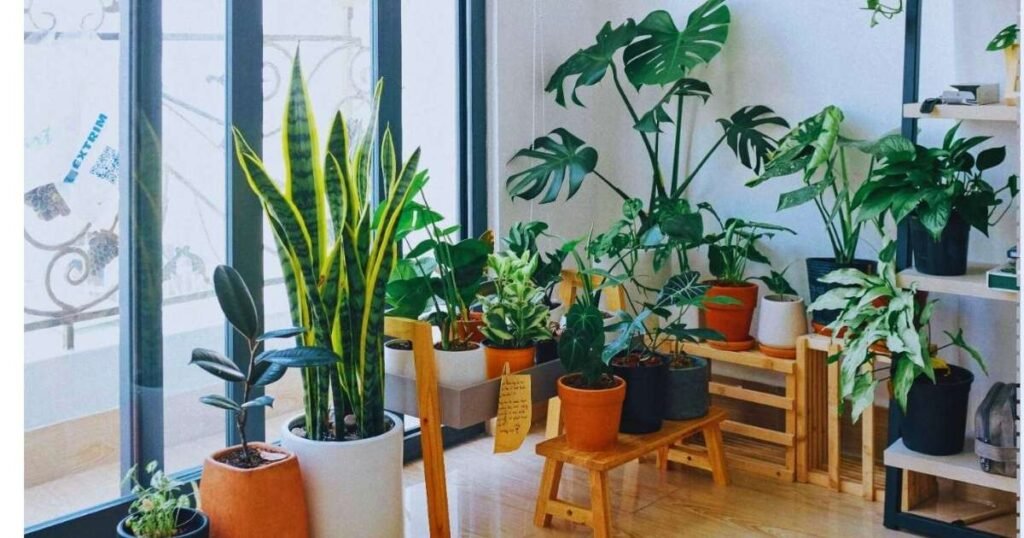
1. Snake Plant (Dracaena trifasciata)
If you could only own one low-light plant, make it this one. Architectural upright leaves in green, variegated, or almost-black cultivars. It laughs at neglect—water every 3–6 weeks, dust occasionally, and it keeps going. NASA listed it among top air purifiers (benzene, formaldehyde, trichloroethylene). Perfect height for corners or behind desks.
2. ZZ Plant (Zamioculcas zamiifolia)
The plant equivalent of a tank. Glossy, dark green leaflets on sturdy stems. Thrives on fluorescent office light alone and can go a month without water. Slow-growing, pest-resistant, and almost impossible to kill. Ideal for the “set it and forget it” crowd.
3. Pothos (Epipremnum aureum)
The forgiving vining queen. Golden, marble queen, neon, or satin varieties trail gracefully from shelves or climb poles. Grows happily in very low indirect light and propagates easily in water. Removes toxins while adding softness to sharp office furniture.
4. Peace Lily (Spathiphyllum)
The one that flowers in shade. Elegant white spathes rise above dark green leaves. Droops dramatically when thirsty (perfect reminder to water), then perks right back up. Excellent air cleaner, adds a touch of elegance even in windowless rooms.
5. Spider Plant (Chlorophytum comosum)
Classic, reliable, and prolific. Arching striped leaves produce baby plantlets that dangle like living jewelry. One of the easiest air purifiers (formaldehyde, xylene). Loves hanging baskets in low-light corners.
6. Chinese Evergreen (Aglaonema)
Color without fuss. Silver, pink, red, or green patterns on leaves. Handles extremely low light and stays compact. Slow growth means less pruning. Great for adding subtle color variety to dull offices.
7. Cast Iron Plant (Aspidistra elatior)
The name is no exaggeration. Dark green, lance-shaped leaves tolerate neglect, low light, poor soil, and temperature swings. Victorian favorite because it survived gas lighting and coal smoke. Perfect for neglected corners.
8. Parlor Palm (Chamaedorea elegans)
Soft, feathery fronds bring tropical elegance. Prefers low to medium indirect light and adds height without spreading too wide. Slow-growing and long-lived—ideal floor plant for apartment living rooms or office waiting areas.
9. Dracaena (Janet Craig, Marginata, etc.)
Upright, architectural stems with long, glossy leaves. Many varieties excel in low light. Air-purifying, stylish, and adds vertical interest without taking much floor space.
10. Prayer Plant (Maranta leuconeura)
Folding leaves at night (like hands in prayer) add subtle movement. Prefers low to medium light and higher humidity. Colorful veined patterns make it a beautiful desk or shelf accent.
Here’s a clean, labeled collage of the top performers—perfect for saving as a quick reference:

What Makes These Plants “Low-Light” Winners?
Most houseplants evolved in jungle understories where direct sun is rare. These species are adapted to filtered, dappled light—exactly what you find in most offices and apartments. They use efficient photosynthesis, grow slowly (less pruning), and tolerate inconsistent watering. Many also rank high on NASA’s air-purifying list, removing VOCs from carpets, paints, and cleaners.

Quick Reality Check for Success
- Water only when top 2 inches of soil are dry (use finger test or moisture meter).
- Use well-draining pots—terracotta or ceramic with holes.
- Dust leaves monthly (helps photosynthesis in low light).
- Fertilize sparingly—once or twice in growing season (spring/summer).
- Avoid cold drafts and sudden temperature swings.
Start with 2–3 of these (snake plant + pothos + ZZ are the easiest trio). In a few months, your dim space will feel alive, fresher, and more human. Low light is no longer an excuse — it’s just the perfect excuse to bring in the right green friends.

