

10 Easy Zero-Waste Swaps You Can Make This Month
Going zero-waste doesn’t have to mean overhauling your entire life overnight. In fact, the most sustainable changes are usually the smallest ones — the little swaps that feel effortless after the first week or two. Whether you’re already dipping your toes into eco-living or just feeling the urge to cut back on plastic and single-use items in 2026, these 10 practical swaps are perfect for starting right now. They’re inexpensive, widely available, and genuinely reduce waste without much disruption to your routine.
Here’s a quick visual overview of all ten swaps in one handy infographic:
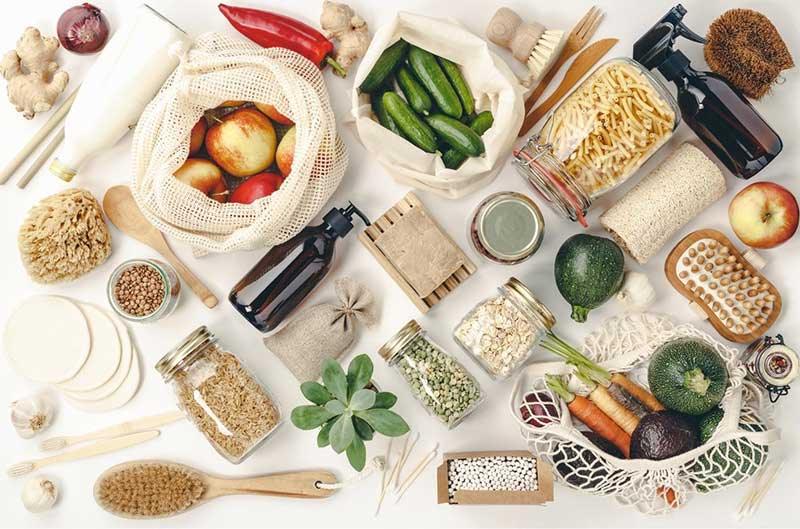
And another beautiful flat-lay style shot showing many of these items in a real kitchen setting:
Let’s dive into each one.
1. Reusable Shopping Bags Instead of Plastic Ones
The classic first step. Bring your own tote bags or foldable nylon shoppers to the grocery store. Most places still offer free paper or charge for plastic — why pay when you can eliminate that waste completely?
Pro tip: Keep 2–3 folded bags in your car, backpack, or purse so you’re never caught without one. Bonus: many cute, sturdy canvas bags are made from recycled cotton these days.
2. Bamboo Toothbrush + Natural Toothpaste Tabs
Plastic toothbrushes contribute millions to landfills every year. Switch to a bamboo-handled one (biodegradable handle) and pair it with toothpaste tablets — tiny chewable pellets that foam up when you bite them.
They come in recyclable glass jars or compostable pouches, and many brands are fluoride-free or with natural options. Your teeth stay clean, and your bathroom trash can gets lighter.
3. Stainless Steel or Glass Water Bottle
Single-use plastic bottles are everywhere. A good insulated stainless steel bottle keeps drinks cold for 24 hours or hot for 12 — perfect for coffee, tea, or water on the go. Glass versions with silicone sleeves are great if you prefer seeing your drink.
Many workplaces and gyms now have refill stations, so you’re saving money and cutting hundreds of bottles from your yearly waste.
4. Beeswax Food Wraps Instead of Plastic Wrap
Beeswax wraps are reusable, washable, and moldable with the warmth of your hands. They’re perfect for covering bowls, wrapping sandwiches, or storing cheese and veggies. After about a year of daily use, they can be composted.
They come in beautiful patterns and last for months with proper care (cool water wash, air dry, avoid heat).
5. Reusable Coffee Cup / Travel Mug
If you grab coffee on the way to work, bring your own cup. Most chains still give discounts (10–50 cents off in many places), and you avoid the paper cup + plastic lid + cardboard sleeve combo.
Insulated versions keep drinks hot longer, and collapsible silicone ones are super portable.
6. Cloth Napkins & Dish Towels Instead of Paper
Paper towels and napkins add up fast. A set of 10–12 cloth napkins (cotton or linen) lasts years. Use them at meals, then toss in the laundry with your regular load — no extra energy needed.
Same goes for dish towels instead of paper towels for drying hands and cleaning spills. They’re more absorbent and feel better to use.
7. Solid Bar Soap, Shampoo & Conditioner Bars
Liquid products come in plastic bottles. Solid bars (especially shampoo/conditioner ones) last longer and usually come in paper or minimal packaging. Look for ones with no palm oil if sustainability matters to you.
Many brands offer “naked” bars wrapped only in paper or sold loose at bulk stores.
8. Stainless Steel or Bamboo Cutlery Set
For lunches on the go, skip disposable plastic forks/spoons. A compact stainless steel or bamboo set fits in a pouch and goes straight into the dishwasher at home.
Great for picnics, work lunches, or travel — zero waste, zero guilt.
9. Glass or Stainless Steel Food Containers
Swap plastic Tupperware for glass containers (Pyrex-style) or stainless steel bento boxes. They’re microwave-safe, dishwasher-safe, and last decades.
No more warped lids or staining, and they look nicer in the fridge too.
10. Start a Small Compost Bin / Countertop Composter
Food scraps are a huge source of household waste. A countertop compost bin (with charcoal filter to control odor) collects peels, coffee grounds, and eggshells. Empty it weekly into a backyard bin, municipal pickup, or community drop-off.
Even apartment dwellers can compost with indoor bokashi systems or worm bins.
Here’s another inspiring visual of many of these swaps in action:

Why Start This Month?
These swaps aren’t overwhelming. Pick 2–3 that feel easiest for you — maybe the shopping bags, water bottle, and bamboo toothbrush — and build from there. Within a month, you’ll notice less trash in your bin, a lighter conscience, and often some savings too (no more buying plastic bottles or bags).
In 2026, zero-waste living is more accessible than ever — bulk stores are expanding, brands are offering refill programs, and communities are sharing resources. You don’t need to be perfect; you just need to start.
Which swap are you trying first? Small changes really do add up.

